Upload an Outline of Your Final Paper With Some Detail. ïâ»â¿ã¯â»â¿ã¯â»â¿ã¯â»â¿ã¯â»â¿ã¯â»â¿ã¯â»â¿ã¯â»â¿ã¯â»â¿ã¯â»â¿ã¯â»â¿
In the nowadays inquiry, at that place are described some promising initial results of induced ontologies from vocabularies of labels in Metroflog, which were selected using Multi agent Systems utilizing a model based on suppositions. We describe the utility of the ontology of aspects as a supplement to a system that marks with labelling and we nowadays our model and results. Nosotros advise a probabilistic reviewed model, using seed ontologies to induce ontology of aspects, and we draw how the model can integrate inside of the customs'southward logistics of labelling. An innovation of our research is having been able to improve the label of a group of labels associated with unlike images and how our multi-agent organization uses a Belief–Desire-Intention (BDI) architecture is much more suitable to expand our context-based vocabulary and better describe the details fine of each image and what they really represent for a social grouping.
Keywords
Multi amanuensis organisation; Aspects; Ontologies; Labelling
Introduction
The base of our beliefs coincides with computational principles, whose comprehension is the central objective of the cognitive scientific discipline, artificial intelligence, and neuroscience [1]. Cerebral neuroscience explores the neural bases of cognition, including perception, attention, memory, problem solving, and decision making [two]. This paper contributes to the development of computational modelling base of operations on mathematical psychology and cognitive neuroscience, what today is named as computational neuroscience [3-5]. In terms of Bogus Intelligence, the multi agent systems can offer a solution to the development of complex problems. Yet, at that place´s a remarkable increment in the complexity of the organisation, therefore, the necessity to implement new technics increase likewise [6].
In the final years, we have seen the rapid growth in the use of applications for labelling, both in the number of applications of labelling associated with images, and in the number of users taking part in communities of labelling. This growth present exceeds our comprehension of how there are washed the annotations that turn out to be efficient and productive for a range of applications and of users.
The systems of labelling are oftentimes located in opposition to the taxonomic models, and two types of these systems are commonly cited:
1. The user's interfaces for annotation based on a airtight and hierarchic vocabulary, are inflexible.
two. And, that a strict tree of concepts that does not reverberate his use and intentions.
The first cite is valid, but it can exist hands treated with dynamic ontologies and amend mechanisms for User Interface (IU). Much of the second critic it is not then much an edition with the taxonomy (ontology) by itself, just something with the problematic models that reinforce the users into putting one hierarchy concepts. Much of this edition can be treated using aspects ontologies that separate the diverse aspects of labelling attempts. Some of the tags commonly used in media notation include the localization, the associated activeness, several aspects of the painting (art, people, flora, fauna, objects, in another) and especially in the context in which they are shared due to the emotional response that these tags involve [7-12]. The labels provide a unproblematic and direct machinery to create annotations that reflect a variety of aspects, and also provide direct ways for the boarding of a search. The search, at least purely base of operations on labels, tends to accept a low memory functioning (this tin exist partially mitigated with an IU that conforms an aligned vocabulary). Furthermore, when a primary search shows a large number of results, the labels do not back up intuitive or efficient models of the refinement of the question. In the best-case scenario, the users nowadays can refine the search that uses clusters of (statistic) related concepts. Although sometimes is useful, information technology is very difficult to evaluate.
Hierarchy models can describe the distinction between polythetic clusters and monothetic clusters in which all the members share one characteristic. Because of this, it has been discussed (and we agreed) that the users take a ameliorate understanding of the monothetic clusters [xiii]. Furthermore, due to this, the polythetic clusters are difficult to label compared with the monothetic clusters that are easy to label, being adjusted to diverse mutual paradigms of the interface, such as directed navigation, limited hierarchies for the refinement of the question, amidst others. In some systems for personal data, search mechanisms base on aspects take been explored, likewise as in hierarchies and therefore the system demonstrated the utility of the interface search of aspects for image browsing [thirteen,14]. Although some members of the community of labelling pass up the taxonomy, adding for case, del.icio.us (https://del.icio.us). We believe that the users should not have to decide between the models that are purely base on label and the purely taxonomic models with shut vocabularies. We are currently exploring a model that is able to balance statistics natural language processing techniques, along with knowledge of the domain to induce the ontology that can be balance upon the terminal response. Our objective is a system that preserves the flexibility of an interface that marks with a label for the notation, as long as it benefits of the ability and utility of an aspect ontology in the browsing and visualization of the interface. We present early on results of a model based in symbolic logic for the label system of Metroflog (https://world wide web.metroflog.com), proving the potential for the technique to induce the convenience ontology for the browsing of the user´s interface. The rest of the article describes the approximation, the set of tests utilizing multi agent systems too every bit the evaluation of the system, in addition to a proposal for a refined model and how this one would fit in the logistics of a labeling community in Metroflog.
Methods
Sanderson et. al. described a simple statistical model of symbolical logic, where Ten presupposes Y if [13]: P (ten|y >= 0.viii) and P (y|x < 1). This co-occurrence model is applied to the terms of the concept extracted of retrieved documents for a directed question (where a "query" search is a smashing help in adapting the domain of terms) [thirteen].
Table 1 shows the results obtained using the same technique was adjusted to contribute in the photographs of a historical collection [13]. In this Table 1, we can see that the resulting taxonomies are quite noisy because many of the proposed pairs of presupposition are incorrect, especially because the vocabularies of the domain are focused by the original questions. Despite this, this kind of models generate the taxonomy that reflects the existent use, and in this fashion, they adequately satisfy the applications for labeling. Many other investigations take experimented with inducing ontology using statistical Neuro-Linguistic Programing (PLN) techniques [14-17]. Some of them depend on at least of the grammatical discourse, and because of this, information technology can exist practical but in natural language contexts [15,17,18].
| Writer | BDI | Multi agent | Ontologies | Labeling | Model of emotion | Art and Aesthetics | Year | Title |
|---|---|---|---|---|---|---|---|---|
| Parrott W | X | 10 | X | Ten | √ | X | 2001 | Emotions in social psychology. |
| Edmund T | X | X | X | X | √ | √ | 2017 | Neurobiological foundations of aesthetics and art. |
| Pentti One thousand | X | X | X | X | √ | √ | 2017 | Emotions, values, and aesthetic perception. |
| Righ S | Ten | X | X | X | X | √ | 2017 | Aesthetic shapes our perception of every-twenty-four hour period objects: An ERP study. |
| Alex MG | X | 10 | X | √ | √ | Ten | 2018 | Applying multi-label techniques in emotion identification of brusk texts. |
| Fernández Thou | Ten | X | X | √ | X | X | 2018 | Labelled port graph – A formal structure for models and computations. |
| Yee KP | 10 | Ten | 10 | √ | 10 | 10 | 2003 | Faceted metadata for image search and browsing. |
| Sanderson A et al. | X | X | √ | √ | X | X | 1999 | Deriving concept hierarchies from text. |
| Naaman M | 10 | √ | √ | √ | Ten | X | 2004 | Context data in geo-referenced digital photo collections. |
| Mani I et al. | X | √ | √ | √ | X | 10 | 2004 | Automatically inducing ontologies from corpora. |
| Vicente JJ | Ten | √ | √ | √ | X | X | 2003 | Estudio de métodos de desarrollo de sistemas multiagente. |
| Tinio PP | X | 10 | X | X | √ | √ | 2018 | Characterizing the emotional response to art beyond pleasure: Correspondence betwixt the emotional characteristics of artworks and viewers´ emotional responses. |
| Cela-Conde CJ | X | 10 | Ten | X | √ | √ | 2018 | Fine art and brain coevolution |
| Siri F | X | X | 10 | 10 | X | √ | 2018 | Behavioral and autonomic responses to real and digital reproductions of works of art. |
| Christensen JF | Ten | Ten | X | X | X | √ | 2018 | Introduction: Fine art and the brain: From pleasure to well-being. |
| Che J | X | 10 | X | X | 10 | √ | 2018 | Cantankerous-cultural empirical aesthetics. |
| Zaidel DW | 10 | X | 10 | X | X | √ | 2018 | Civilisation and art: Importance of art practice, non aesthetics, to early human culture. |
| Clough P | X | 10 | X | 10 | X | 2005 | Automatically organizing images using concept hierarchies. | |
| Cambria E | X | Ten | X | 10 | √ | X | 2012 | The hourglass of emotions. |
| Scherer Chiliad | X | X | X | X | √ | X | 2000 | Psychological models of emotion. |
| Georgeff Yard | √ | √ | X | X | X | X | 1997 | The conventionalities-want-intention model of bureau. |
| Baitiche H | √ | √ | X | X | Ten | X | 2017 | Towards A generic predictive-based plan selection approach for BDI agents. |
| Yu W | √ | √ | X | X | X | X | 2012 | An extension dynamic model based on BDI amanuensis. |
| Phung T | √ | √ | X | Ten | X | X | 2005 | Learning within the BDI framework: An empirical analysis. |
| Dumais S et al. | X | X | √ | √ | X | X | 2003 | Stuff I've seen: A system for personal information retrieval and re-utilize. |
| Hearst K | X | X | √ | √ | X | X | 1992 | Automated acquisition of hyponyms from large text corpora. |
| Henríquez C | X | X | √ | √ | X | X | 2016 | Ontologies for aspects automatic detection in sentiment analysis. |
| Hearst Thousand | X | X | √ | √ | X | 10 | 1999 | User interfaces and visualization. |
| Guerra-Hernandez A | √ | √ | 10 | X | X | Ten | Learning in BDI multi-agent systems. | |
| Cisneros M et al. | √ | √ | √ | √ | √ | √ | 2018 | This research. |
Table 1: Comparative studies [13].
In addition, there had been attempts to match concepts to existing ontologies such as Word Internet; these models tin be intrinsically less noisy, but since Word Net is based on standard English vocabulary, this can make the adaptation of stories hard in dynamic and idiosyncratic vocabulary that emerges in labeling application.
Exploratory approach
Assumption pace: We adjusted the model´s set based in the model of Sanderson et. al. [xix] to the Metroflog labeling system, adjusting the statistical studies to reverberate the advertising hoc use, adding filters to the control for the highly idiosyncratic vocabulary. So, X potentially includes a yes if:
P (x|y ≥ t) and P (y|ten < t),
Dx ≥ Dmin, Dy ≥ Dmin,
Ux ≥ Umin, Uy ≥ Umin
Where: t is the trend of co-occurrence, Dx is the # of documents in the results where the term x occurs, and it may be greater than a minimum value Dmin and, Ux is the # of users using x in at least one annotation of paradigm and it can be larger than a minimum value Umin.
We filter the input documents (i.due east., the photos), requiring a minimum of 2 terms for the label, and then that the co-occurrence was defined. We conducted a series of experiments, varying the parameters t, Dmin, and Umin. Nosotros searched for a balance that minimize the error charge per unit and maximize the number of proposed pairs of assumptions. Considering that using stricter values for the co-occurrence threshold (around 0.ix) reduces the error rate, but dramatically reduces the number of proposed pairs. For this example, the useful values were used between 0.7 and 0.viii, and the values nether the comparable value, were determinate empirically [nineteen]. And so, the model was more than sensitive to changes in Umin than Dmin. From there that Fix Umin to annihilation below 5, delivered many of the highly idiosyncratic terms in noisy assumption pairs, where a useful range was from v to twenty obtaining varied values of Dmin from 5 to 40. Demonstrating with this, that our model is quite useful to adjust the value.
Information technology should likewise be mentioned that both values were increasing slowly while the number of documents increased. And with a fixed entry below i million photos, the vocabulary was less stable and then the model was more sensitive to the parameters.
Pruning and tree reinforcement: Once the co-occurrence statistics are calculated, the pairs of candidate terms are selected using the specified constraints. Then we build a graph of possible parent-child relationships, and we filter out the co-occurrence of the nodes with the ancestors that are logically about their male parent. Once the co-occurrence statistic is calculated, the term pairs of the candidate are selected using the specified restrictions. Then we build a graph of possible begetter-son relationships, and we filter out the co-occurrence of nodes with ancestors that are logically about their father. That is considering a given relationship of the term must be reinforced, therefore we increase the weights of each. Finally, we consider each leafage in the tree and choose the best trajectory to a root, considering the (reinforced) weights of the co-occurrence for the potential parents of each node, and we bring together the trajectories in copse.
With document systems large enough, many of the copse are quite big, for example, cities with points of interest. We observed a asymmetric number of erroneous trajectories in single-case (singleton) and double-instance substructures (doubleton), with respect to the larger substructures, so we filter these out jointly. This is justified because the total number of trees of the candidate was very large for these runs (from 500 to more 3000 candidate pairs are met by a basic supposition and filtering criteria), and the terminal goal is to provide enough construction to aid in making sense and navigational guidance through the collection. A secondary goal was to improve the search by deducting the terms of the begetter for the images with son terms, and in this sense some recoveries are certainly sacrificed in filtering out the singleton and doubleton trees. We believe that users of the assumption copse will exist more sensitive to accuracy than to recovery, this aspect of the model must be evaluated with large-scale user studies.
Data ready and analysis
Nosotros used a snapshot of the Meta base data of Metroflog from April of 2007 (Figure 1). To this date, there were a full of seven million photos, and around 37 million of entries in total. Approximately, 5 1000000 of these photos were marked equally "not public", so we excluded them from the experimental organisation. The tables were modified making the information of the user anonymous (I.D.s including photo) and all the images with less than 2 terms were filtered. This resulted in a prepare of tests of about 7000 images. The associated vocabulary was limited to 200K and 5000 pairs were generated in total (an verbal number is not available, because we filtered some numbers while utilizing the Multiagent arrangement). Utilizing the multiagent arrangement, we determined the cultural aspects of the evaluated community. Betwixt Metroflog´due south notes, the vocabulary turns out to be opposite with regard to spelling and terms limits (for example, "Los Ángeles" demonstrates frequently how the two terms "los" and "angeles" can be analyze due to a non-intuitive interface of the characterization´s entry). Furthermore, there are many idiosyncrasy terms in the notes. These terms varied from the described personal events equally a labelling phrase ("johnandmaryswedding" – indicating a possible confusion).
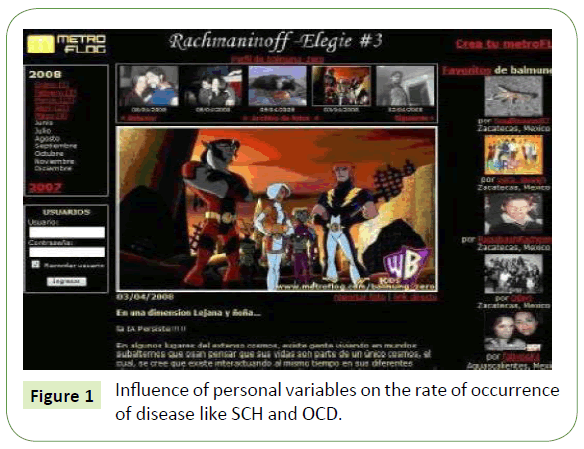
Figure 1: Influence of personal variables on the charge per unit of occurrence of disease similar SCH and OCD.
Assumption evaluation
The resulting trees will be evaluated manually. Each supposition pair proposed will exist marked as correct, reversed, related, and as synonymous (including ontology variants in common terms such as flower"/"Blume"/"fleur"/"bloem" etc., or noise (entirely erroneous)). The second effigy demonstrates several examples of the generated copse. A lot of the concepts, such as "Los Ángeles", are points of interest; several are possibly related and there is an example of entropy that is the result of a statistics model. In the second example each i of the nods is a "crystal" hyponym; although maybe for an art historian, this could be conceiving equally an "acceptable" model of domain in the representative use inside Metroflog´s community. Based on our own experience and the experience of others [18], we presume that the images will exist noted and retrieved as hands as possible on having accentuated several aspects of the primal word: location, activity and images. Metroflog´s community seems to be accentuating other aspect besides, that could describe as the emotion or response. Our results show that a large proportion of the shared vocabulary is linked to the location names, although we count with the refinements of the model to produce more than balance with other aspects. For the localization, nosotros were considering a combination of names for geographic places, as well every bit the points of interest that demark the place with more than activity. This style we consider "Los Ángeles" equally reasonable male parent of "Chinese Theater". In the sense of a pure type of relation, this could not be sustaining, all the same, it is entirely reasonable for the utility of locating an image. In the same context, "Los Ángeles" can exist related but is non a father of "muni" neither of "streetfair". For generic terms like "lago" and "parque", nosotros were because instances for lakes or parks that could be reasonably sons. In the virtually usual images of the human relationship type, nosotros apply "dog", but we included specific breeds such every bit in "food" we included "kimchee" and "creamcheese" were "restaurant" is related only. The personal relationships are less useful for a question in a big photo that shares the landscape just like in Metroflog, then we looked at nigh all the personal names as racket in any pair context.
Table i compares the results of the related supposition models with our results. In some investigations, a high number of aspects is reported, and the limiting questions in the vocabulary are attributed to this. This investigation also presents an awarding much like ours and that´southward how we provided a useful bottom line [xix]. Nosotros believe that their model can be better applied if it was focused in the whole vocabulary instead of a focused question. The statistics model appears to contain an inconsistency (the 2nd term should be expressed as P (y|x < 0.8) and not P (y|x < 1)), although this tin be a typographic error in the articles [thirteen,xix,20].
Proposed model
The early results are promising enough, and then we feel encourage to realize boosted piece of work. Our model produces the substructures that show different aspects, generally speaking, but it cannot categorize concepts in aspects. We´ve bundled a serial of changes to the model to address this, equally is proposed in our model in Figure 2.
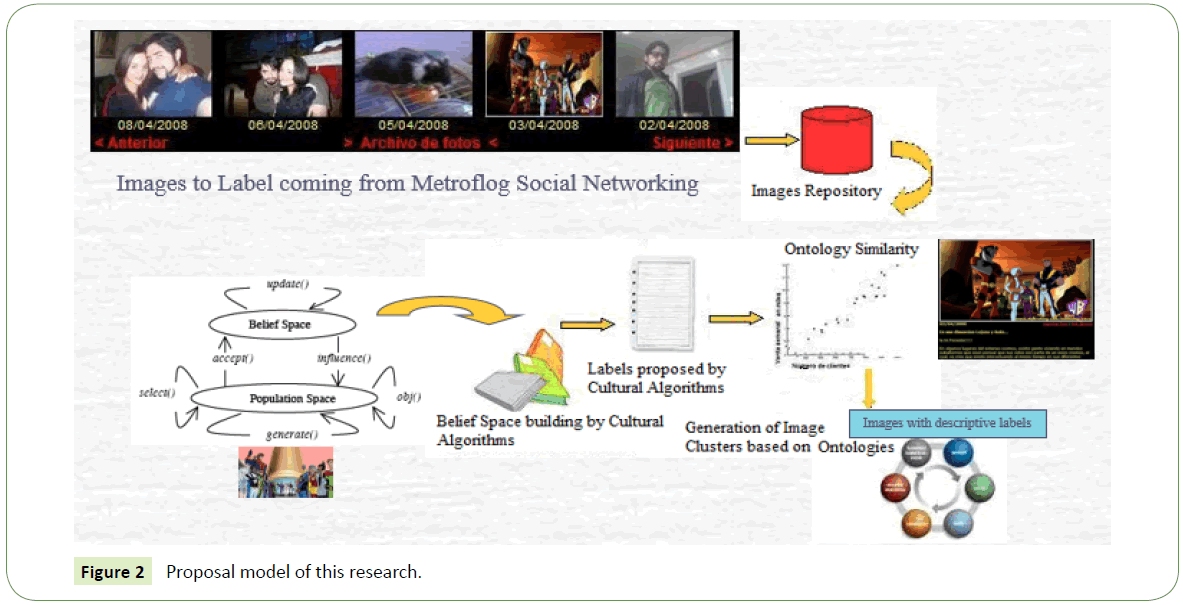
Figure 2: Proposal model of this research.
Migration to a purer probabilistic model
Nosotros are currently working to be able to express the assumption, the construction of tree pruning, and the classification of the aspect, all together in a unified probabilistic model, something similar the model proposed by Mani et. al. from Corpora [17]. For this, we are proposing a more robust probabilistic model and nosotros are incorporating concepts such as "the number of authors using a label" at a characteristic level and not as a elementary threshold, every bit is currently the case.
Add the help for repeated or badly written information
We would as well similar to add better help in cases of repetitions and misspellings. We believe that the interface currently used by Metroflog produces more of these than the models that support the proffer of the label (example, del.icio.u.s.a.). This is possible by representing the resulting ontology equally a graph of the concepts that have several labels, variable graphs can exist associated probabilistically. And the most common spelling is the natural characterization.
Exploring morphological tools
We are too exploring morphological analysis, concentrating on the potential to combine aspects. This because the initial analysis of the data indicates that certain morphological techniques (for instance, eliminating the plural and the stem from the verb-gerund) may exist appropriate for some aspects, but not for others.
Seeds with ontological aspects of ontology
A significant problem with the assumption is its common utilise, since people tend to proper name generic concepts (neither in a very general, nor too specific) mode. In particular, people use few generic and unspecific concepts such as "land" or "continent" for location, and "mammal" or "plant" for an paradigm. In our results, for example, certain country names, although specified, were rarely mentioned along with those of cities. However, these higher ontological concepts are freely available in the class of dictionaries and common taxonomies. Therefore, we programme to specify our new model with these superior model ontologies in a specific domain (DUMO's). In this manner we reduce the weakness inherent in the assumption, serving another purpose likewise. On the other paw, by specifying the higher-level structure of ontology, the aspect model that makes sense for near users can be fulfilled. And since it is an entry in the model, we can hands exam variants on it with the same user base of operations.
Moderation of the back up customs
While we expect the refined model to reduce racket (errors) in our results, nosotros believe that the model can be improved by deploying it not every bit a fully automated procedure, just as a productivity tool. Many labeling applications have a model gear up for the community, including moderator enthusiasts for popular secondary domains. If the statistical model can suggest ontology, the set of advisors volition simply demand to approve or decline the proposed relationships. Once a baseline is established, information technology will require little effort from the advisors to go on the ontology updated and fresh, reflecting current usage. In addition, the statistical model reflects the use of the customs, with the moderators acting as supervisors.
Results
In order to properly determine the functionality of our intelligent application, we detail each of our examples in our design of experiments.
1. Kickoff step related with our Graphic User Interface (GUI) and associated with our BDI Model (Figure iii). The main screen consists on the buttons. The outset push button "Railroad train" initiates the BDI system. When activated, the system starts building a graph with the labeled images contained on an initial information base of operations. The graph will be used to characterization new pictures. The second and 3rd button open up the upload screen and the catalog screen, respectively.
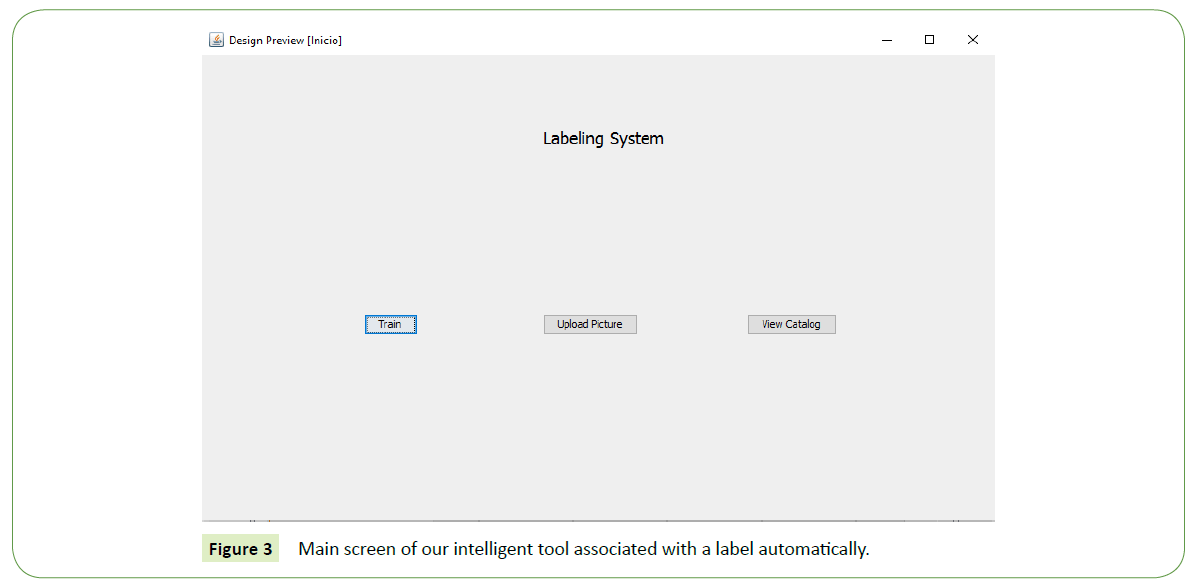
Figure 3: Main screen of our intelligent tool associated with a label automatically.
2. Upload picture: Hither the user tin upload pictures to be label by the BDI system. These pictures are upload from the user calculator. The user may include some labels. On the example, the user has selected a picture and some labels, as is shown in Figure 4.
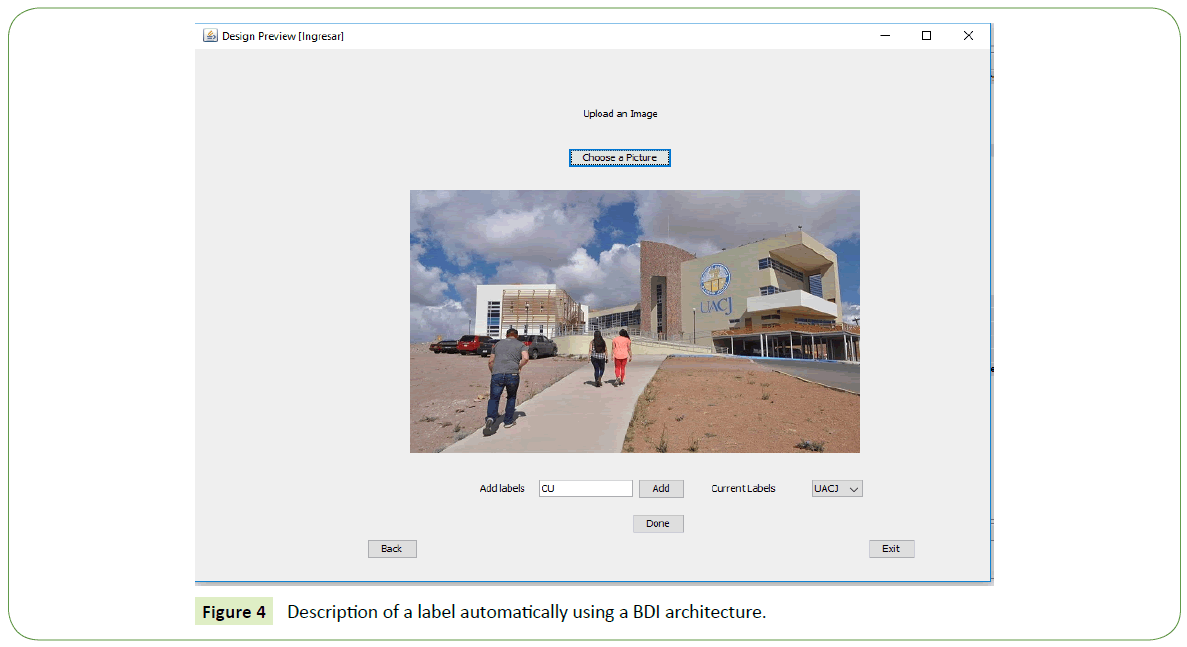
Figure 4: Description of a characterization automatically using a BDI compages.
three. View itemize: This screen shows the pictures independent on the data base. The screen also shows the labels associated with each film. A picture with some labels is shown on the post-obit example, as is shown in Figure v.
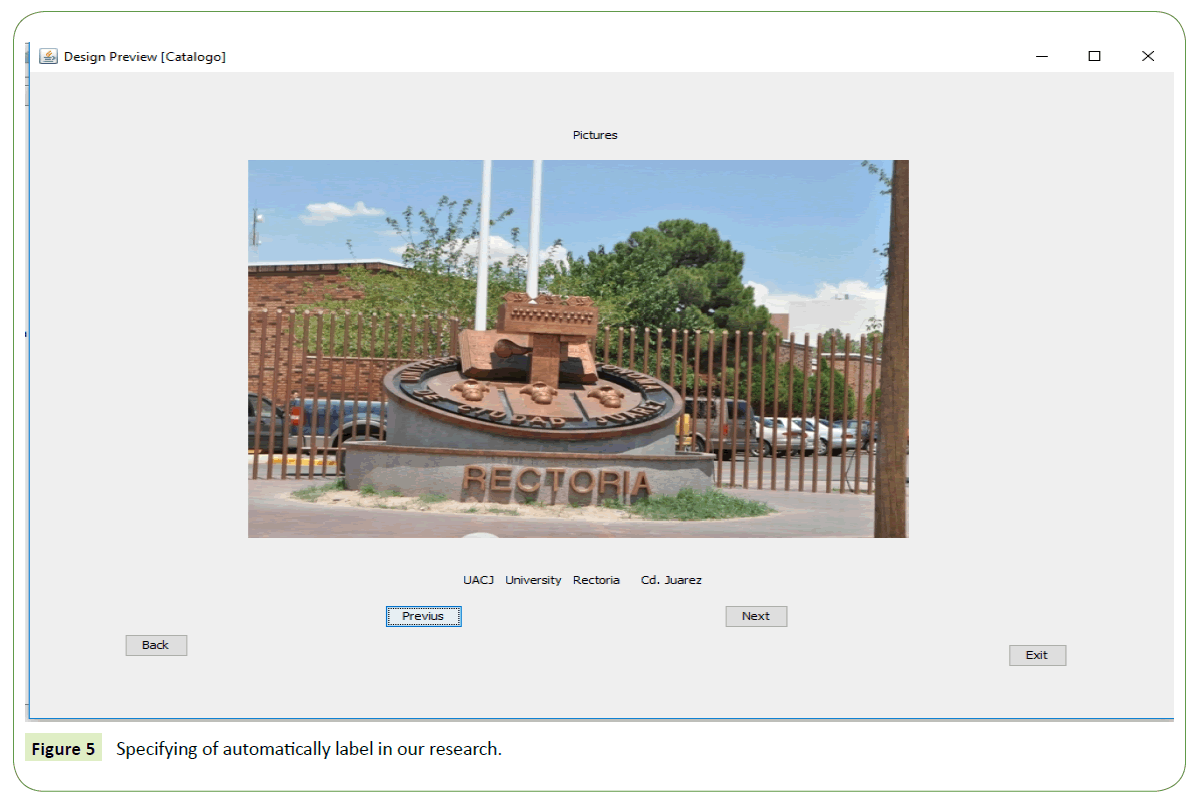
Figure v: Specifying of automatically label in our inquiry.
Our results bear witness that a large proportion of the shared vocabulary in the sample is linked to the location names inside the emotional response of the customs, although we will refine the model further to produce more residuum with other aspects in regard to the model of emotion. The images were noted and retrieved very hands accentuating several aspects with primal words, such equally location, activity and images, that showed to us the emotion exposed in the labelling.
Every single one of the resulting trees were evaluated manually. In addition to this, each supposition pair proposed was marker every bit correct, reversed, related, and every bit synonymous, giving us a hint to induce ontology aspects in further research. A better explain comparative is analyzed in Figures 5-seven.
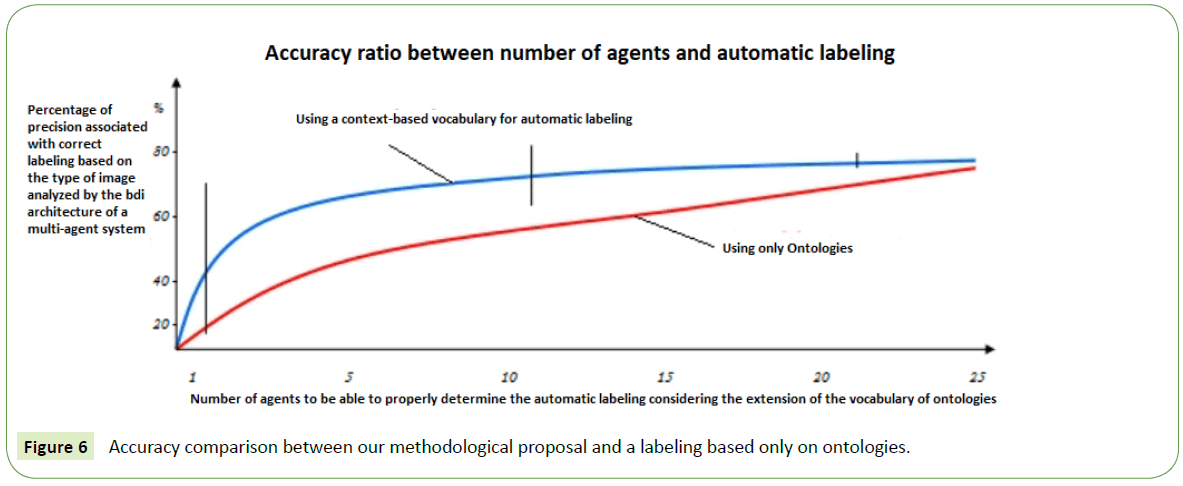
Figure 6: Accuracy comparison between our methodological proposal and a labeling based merely on ontologies.
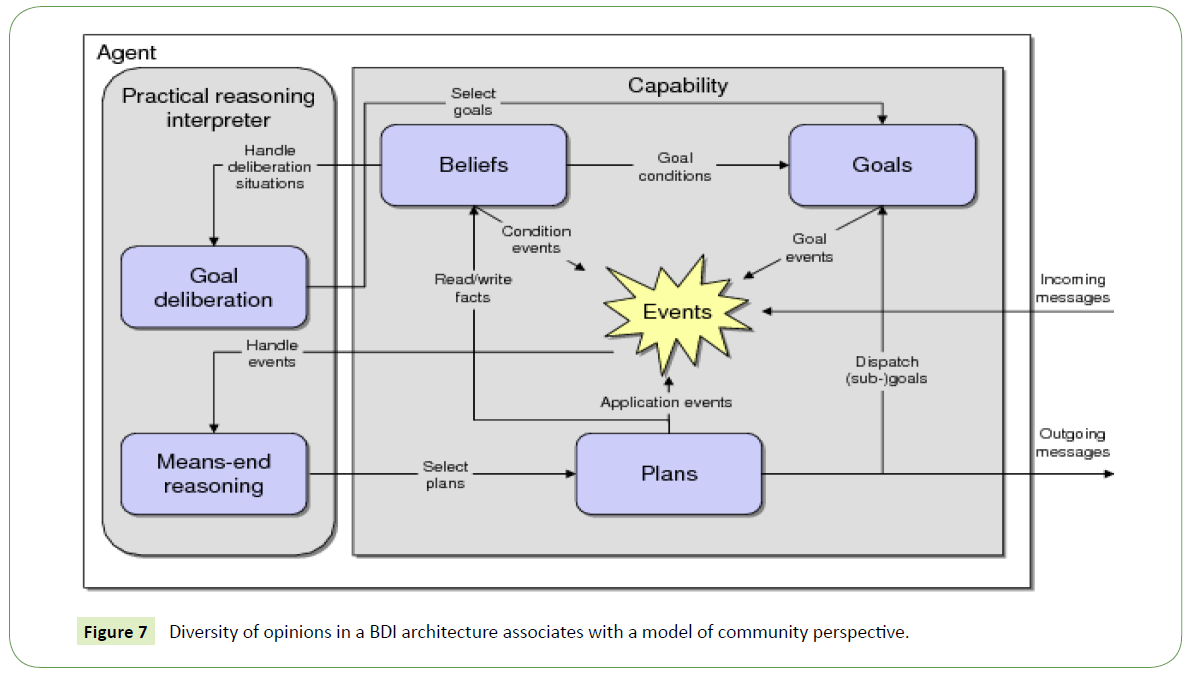
Figure 7: Diverseness of opinions in a BDI architecture associates with a model of community perspective.
Discussion
The limitation of our study is the interface currently utilise by Metroflog, because it produces more than repetitions and misspellings than the models that support the suggestion of the label. Another limitation is that our model produces the substructures that testify different aspects, simply information technology still cannot categorize concepts in dissimilar ontology aspects.
Finally, we are currently conducting inquiry to specify our new model with superior model ontologies like DUMO'south and other dictionaries, that can be developed within the model of emotion that we use to analyze the emotional response in the tags.
Conclusions and Time to come Research
Nosotros´ve described a model based on suppositions to induce labeling ontologies that produces promising early results. We hope to meliorate the accurateness of the model, as well equally to induce ontology aspects with the emotional response within the labels. The results will back up interfaces that will lead to a more than efficient searches, and existing community models can exist reasonably integrated by moderators.
A BDI compages associated with a Multiagent Arrangement, and with an incremental vocabulary of ontologies could describe in a meliorate style images associated with scenarios with a high incidence of determinant factors related to paradigmatic changes in the perspective of a social group, every bit it can be observed.
Acknowledgments
A K. Valádez partner of Metroflog, for the admission to the meta base information of Metroflog.
References
- Naselaris T, Bassett DS, Fletcher AK, Kording K, Kriegeskorte N, et al. (2018) Cerebral computational neuroscience: A new conference for an emerging discipline. Trends Cogn Sci 22: 365-367.
- McClelland JL, Ralph MA (2015) Cognitive neuroscience. International Encyclopedia of the Social & Behavioral Sciences iv: 95-102.
- Palmeri TJ, Love BC, Turnerc BM (2017) Model-based cerebral neuroscience. J Math Psychol 76: 59-64.
- Sejnowski TJ (2015) Computational neuroscience. International Encyclopedia of the Social & Behavioral Sciences iv: 480-484.
- Eliasmith C (2007) Computational neuroscience. Philosophy of Psychology and Cognitive Science pp: 313-338.
- Vicente JJ, Botti VJ (2003) Estudio de métodos de desarrollo de sistemas multiagente. Inteligencia Bogus. Revista Iberoamericana de Inteligencia Artificial seven: 65-lxxx.
- Tinio PP, Gartus A (2018) Characterizing the emotional response to fine art beyond pleasure: Correspondence between the emotional characteristics of artworks and viewers´ emotional responses. Progress in Brain Research 237: 319-342.
- Cela-Conde CJ, Ayala FJ (2018) Art and brain coevolution. Progress in Encephalon Enquiry 237: 41-60.
- Siri F, Ferroni F, Ardizzi M, Kolesnikova A, Beccaria M, et al. (2018) Behavioral and autonomic responses to existent and digital reproductions of works of art. Prog Brain Res 237: 201-221.
- Christensen JF, Gomila A (2018) Introduction: Fine art and the encephalon: From pleasure to well-beingness. Prog Brain Res 237: xxvii-xlvi.
- Che J, Sunday Ten, Gallardo V, Nadal Thou (2018) Cantankerous-cultural empirical aesthetics. Prog Brain Res 237: 77-103.
- Zaidel DW (2018) Culture and art: Importance of art practice, not aesthetics, to early human civilisation. Prog Brain Res 237: 25-forty.
- Clough P, Joho H, Sanderson Grand (2005) Automatically organizing images using concept hierarchies. Proceedings of Multimedia Information Retrieval.
- Dumais S, Cutrell E, Cadiz JJ, Jancke G, Sarin R, et al. (2003) Stuff I've seen: A system for personal information retrieval and re-utilise. In SIGIR ii: 1.
- Hearst Thou (1992) Automatic acquisition of hyponyms from large text corpora, in "Proc. of COLING 92", Nantes.
- Hearst M (1999) User interfaces and visualization. Modern Data Retrieval. ACM Press, Usa.
- Mani I, Samuel G, Concepcion K, Vogel D (2004) Automatically inducing ontologies from corpora. Proceedings of CompuTerm 2004: 3rd International Workshop on Computational Terminology, COLING'2004, Geneva.
- Naaman K, Harada S, Wang Q, Garcia-Molina H, Paepcke A (2004) Context data in geo-referenced digital photograph collections". In proceedings, 12th ACM International Conference on Multimedia (ACM MM 2004).
- Sanderson M, Croft B (1999) Deriving concept hierarchies from text. In: Proceedings of the 22nd ACM Conference of the Special Interest Group in Data Retrieval.
- Yee KP, Swearingen K, Li K, Hearst M (2003) Faceted metadata for epitome search and browsing. In: Proceedings of the SIGCHI conference on Human being factors in computing systems.
Source: https://www.jneuro.com/neurology-neuroscience/specifying-ontologies-in-a-social-networking-images-sample-obtained-with-a-multiagent-system.php?aid=24696
0 Response to "Upload an Outline of Your Final Paper With Some Detail. ïâ»â¿ã¯â»â¿ã¯â»â¿ã¯â»â¿ã¯â»â¿ã¯â»â¿ã¯â»â¿ã¯â»â¿ã¯â»â¿ã¯â»â¿ã¯â»â¿"
Post a Comment